
Alternative Provision Rooted in the Outdoors.
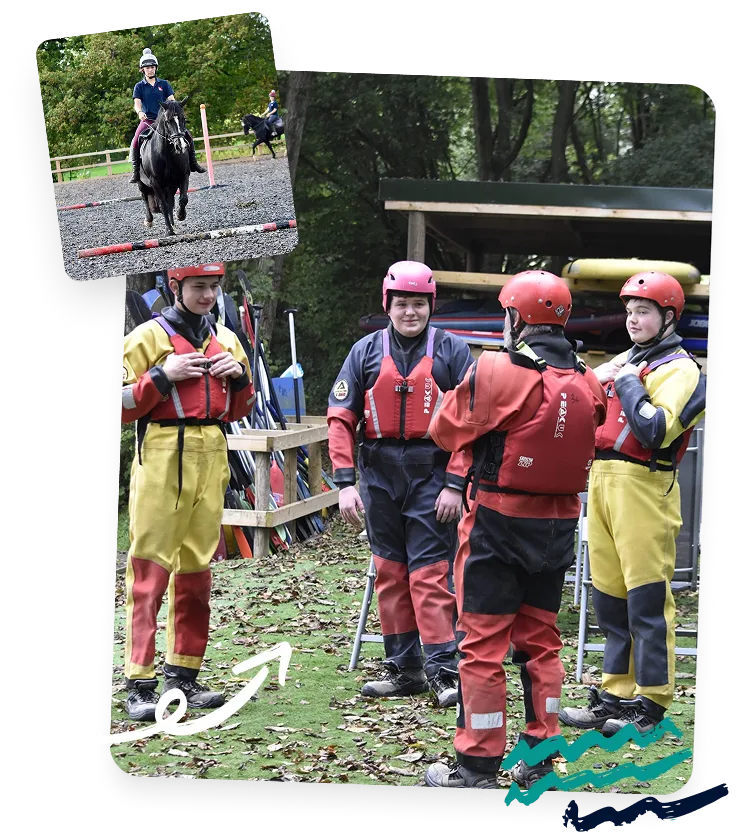
Alternative Provision at Shropshire Adventures Academy gives primary and secondary school-aged children the chance to re-engage, through outdoor and equine sessions built around them. Bespoke, trauma-informed, and nothing like a classroom.
What Is Alternative Provision?
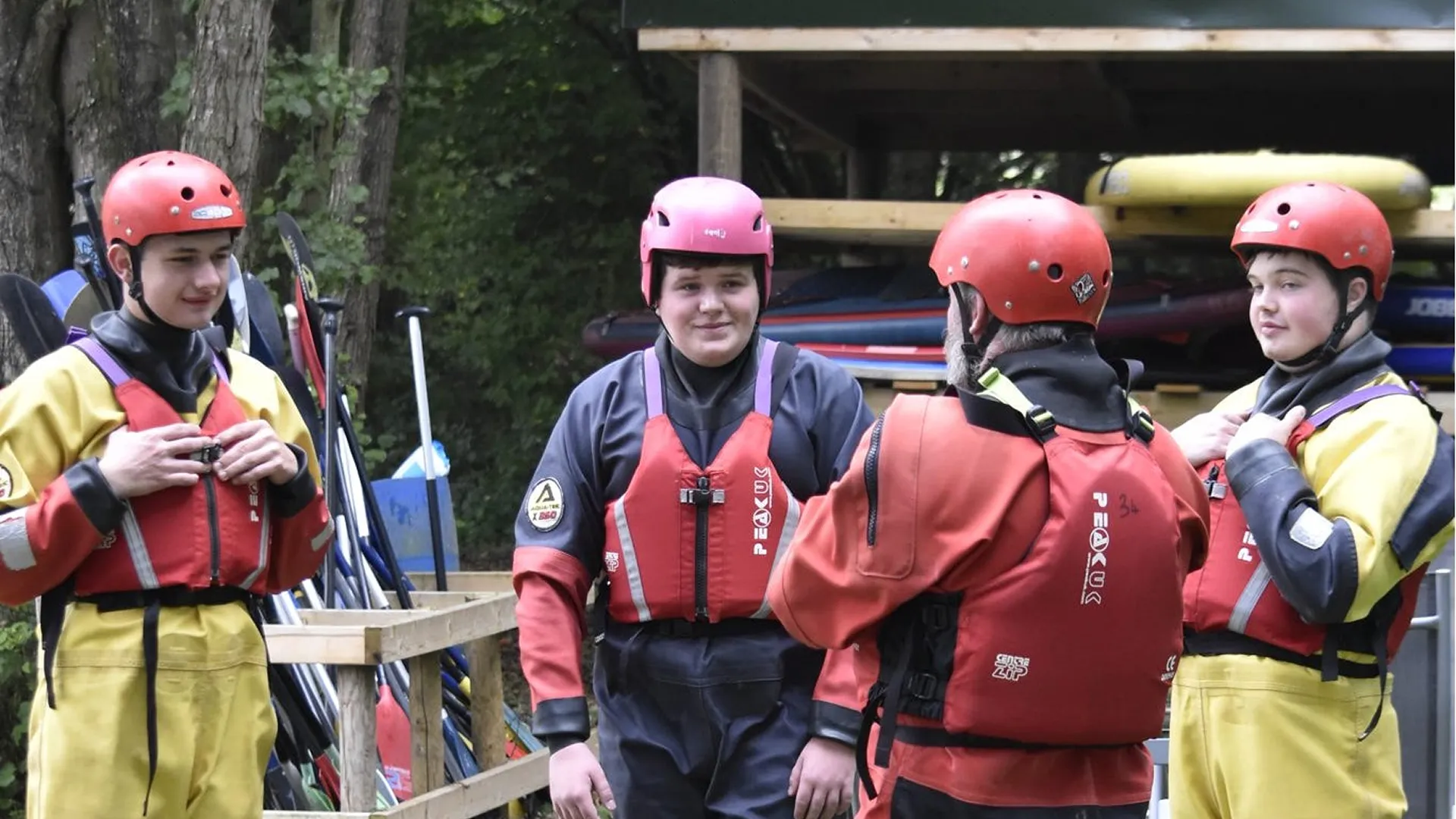
Alternative Provision (AP) gives young people who aren't in full time mainstream education the chance to re-engage, on their terms.
It uses the same outdoor and equine based approach as our full Post-16 Academy, but on a smaller, more flexible scale. Sessions can run for an hour a week or several days, one to one or in a group, depending on what the young person needs.
AP isn't about delivering a fixed curriculum. It's about helping a young person feel safe, build confidence and find their way back to learning, in an environment that looks nothing like a classroom.
Who We Work With.
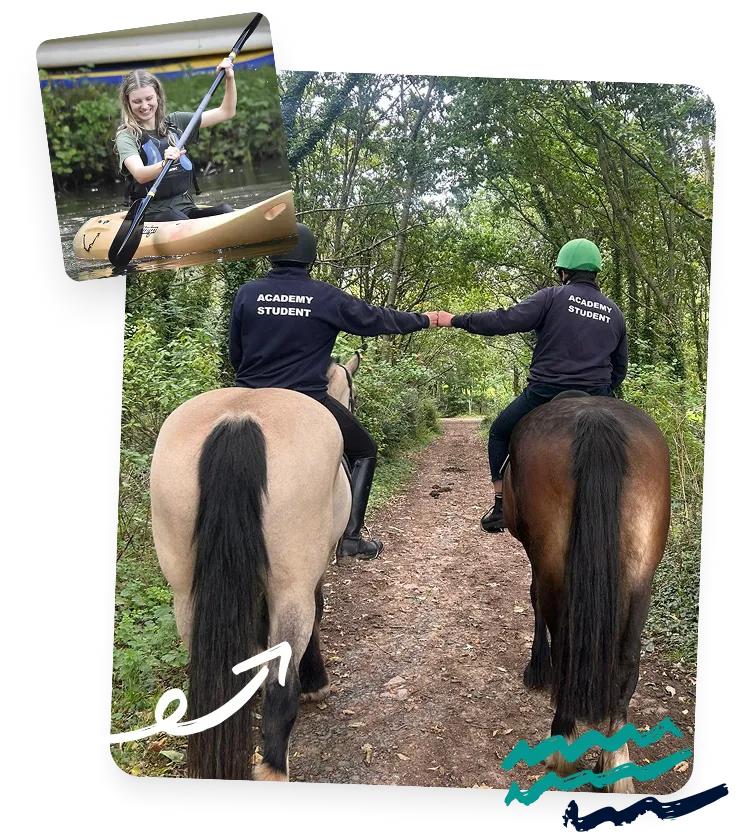
AP is for primary and secondary school-aged children who need an alternative to mainstream school, based on initial assessments and visiting the site first. There's no requirement to hold an EHCP to access AP, though many of our learners do, and we'll always work towards EHCP targets where they apply. Whatever brought a young person to us, the starting point is the same: they need something different, and they need it to work.
How We Help Young People Thrive.
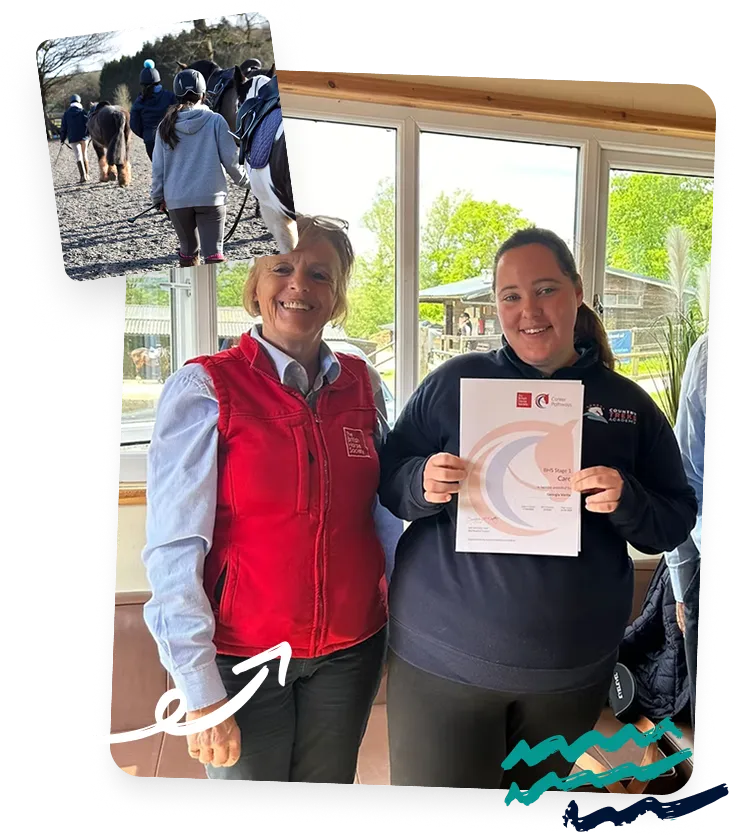
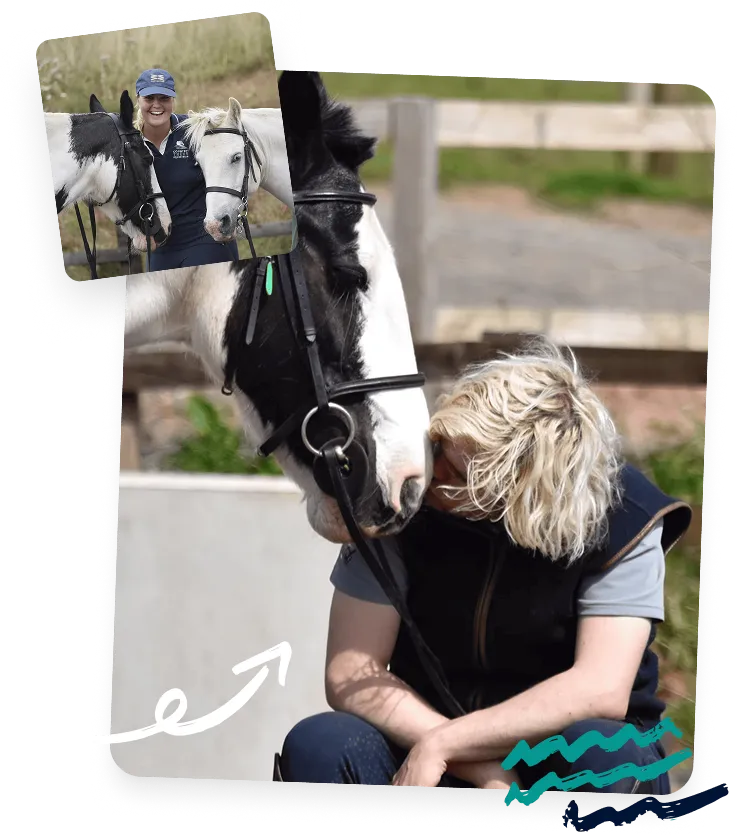
Every member of our team is trained as an outdoor wellbeing practitioner, and our whole approach is trauma-informed. AP isn't a fun day out or a one-off activity session. It's rooted in genuine therapeutic value, with outdoor and equine activities used as a vehicle for real development, not just entertainment.
Every placement is different. We don't believe in fitting young people into a fixed programme. We build the provision around them.
Building confidence and resilience
Developing respect and boundaries
Supporting personal development
Re-engaging young people with education and structured activity
Working towards EHCP targets, where applicable
How AP Differs From Our Full Post-16 Academy.
We also offer a full time Post-16 Academy programme, and it's worth knowing how the two differ. If you're not sure which is the right fit, get in touch. We'll talk it through with you.
Alternative Provision:
Part time (up to 16 hours per week)
1-2 hours a week
1-1 sessions or group sessions
Primary & secondary school-aged children
Funded by schools, EOTAS or parents
Focused on re-engagement
Full Post-16 Academy:
Full time
Five days a week
Part of a small, settled cohort
Ages 16 and above
Government funded via EHCP
Focused on longer term progress
Questions We Hear a Lot.
Whether you're a parent trying to find the right fit or a school looking to make a referral, here are the answers to the things people ask us most.
We understand why that question matters. A lot of the young people we work with have been let down before, by schools that didn't understand them, provisions that didn't stick, and settings that made things worse before they got better. We're not a school, and we don't run things like one. There are no classrooms, no bells and no corridors. Sessions happen outdoors or with horses, on 30 acres of space where there's room to breathe. Our team are trained outdoor wellbeing practitioners, and our approach is trauma-informed throughout. We'll take things at your child's pace. We'd love to show you around first, so you can see for yourself.
Yes. There's no formal requirement to hold an EHCP to access our AP. Some families come to us through EOTAS (Education Other Than At School) funding, which allows parents to choose elements of their child's education directly. Others self-fund. If you're not sure what funding might be available to you, we're happy to talk it through and point you in the right direction.
It depends entirely on what they need. Some young people come for one hour a week. Others attend for several hours across multiple days. The legal maximum for AP with a single provider is 16 hours a week, and we work within that. We'll agree a structure with you that fits your child's needs, your circumstances and our available capacity.
Our AP draws on both outdoor adventure activities and equine learning, the same approach at the heart of our full Academy programme. The activities aren't the point in themselves, they're the vehicle for building confidence, developing boundaries and helping young people re-engage with structured activity. Every placement is bespoke, so we'll shape the sessions around what works for your child specifically. We can tell you more once we've had a chance to meet.
Get in touch and we'll arrange a conversation. If it sounds like a good fit, we'll invite you and your child to visit the site, meet the team and get a feel for the place. We won't put a price on anything until we've met the young person, because the level of support we provide varies and we want to get it right.
We work with primary and secondary school-aged children who are struggling to engage in mainstream education. This typically includes learners at risk of exclusion or with poor attendance, those already excluded, and young people accessing EOTAS provision where a parent has taken responsibility for building their curriculum. Many of our AP learners have social, emotional and mental health difficulties, and a significant number have experienced trauma. Our team is trained specifically to work with these young people.
We accept referrals from schools, local authorities, caseworkers and parents. A school might commission a regular weekly group slot for a number of learners, or refer an individual who needs one-to-one support. Local authorities and caseworkers can refer directly, often alongside an EHCP. We're also happy to work with specialist schools. The process starts with an initial enquiry, followed by a consultation and a site visit before any placement is agreed.
Our AP focuses on re-engagement, confidence building and developing positive behaviours, rather than delivering a formal qualification framework. For school-referred learners, the goal is typically to improve attendance, reduce exclusion risk and help a young person re-engage with structured activity. Where a learner holds an EHCP, we work towards the targets set within it. We keep referring schools and authorities informed on progress and will flag any concerns early.
Pricing depends on the level of support required, which is why we assess each young person before providing a guide cost. We won't quote a number until we've met the learner and understood what's needed. If you'd like to discuss a placement or explore what provision might look like for a specific young person, please get in touch and we'll take it from there.
Yes. We regularly work with schools who commission a weekly group slot for a cohort of learners across a full academic year. We can accommodate both one-to-one and group AP, subject to capacity. If you're exploring options for a group, it's worth getting in touch early so we can discuss what's available.
Ready to talk about a placement?
Every placement starts with a conversation. We'll talk through what's needed, invite the young person to visit the site, and take it from there. We'll always meet before we talk about cost.